|
|||||||
| Author : B.Harry | |||||||
| Recommended Resolution : 1024 x 768 pixels | |||||||
|
|||||||
|
|

|
|
7:30 AM. Time to board the carrier. The choice of transport is a superfast and rather unstable motorized transport dinghy - somewhat more exciting than the relatively smooth helicopter ride. At this time, all the aircraft are inside the hangar and none on deck. Usually, when the ship is in dock, the aircraft return to their home airbases and will embark only when the carrier is deployed. Misc senior officers who will be onboard today include Lt. Gen BS Thakur, Vice-Cheif of Army Staff and FOC-in-C Western Naval Command, Vice Admiral Madanjit Singh, and some officers from the IAF. The joint exercise was organized by the Western Naval command and will take place 60 nautical miles from the coast. |
||||
|
|
FILE : 1280 x 960 / 258 KB | ||||||
|
|
Following the end of the refit and refurbishment phase at Cochin in 2004, Viraat then proceeded to Bombay during July-end for the second phase of its refit which included armament fitment and deck painting. The refit will keep the ship in service for many more years to come. Commanding the Viraat represents the highest point in the career of any senior naval officer. |
|

|
||||
|
FILE : 1280 x 960 / 398 KB |
|||||||
|
1.1 Upgrades (2004/05)
|
|||||||
|
|
|
|
|
||||
| 16-cell VLS / FILE : 1024 x 768 / 324 KB |
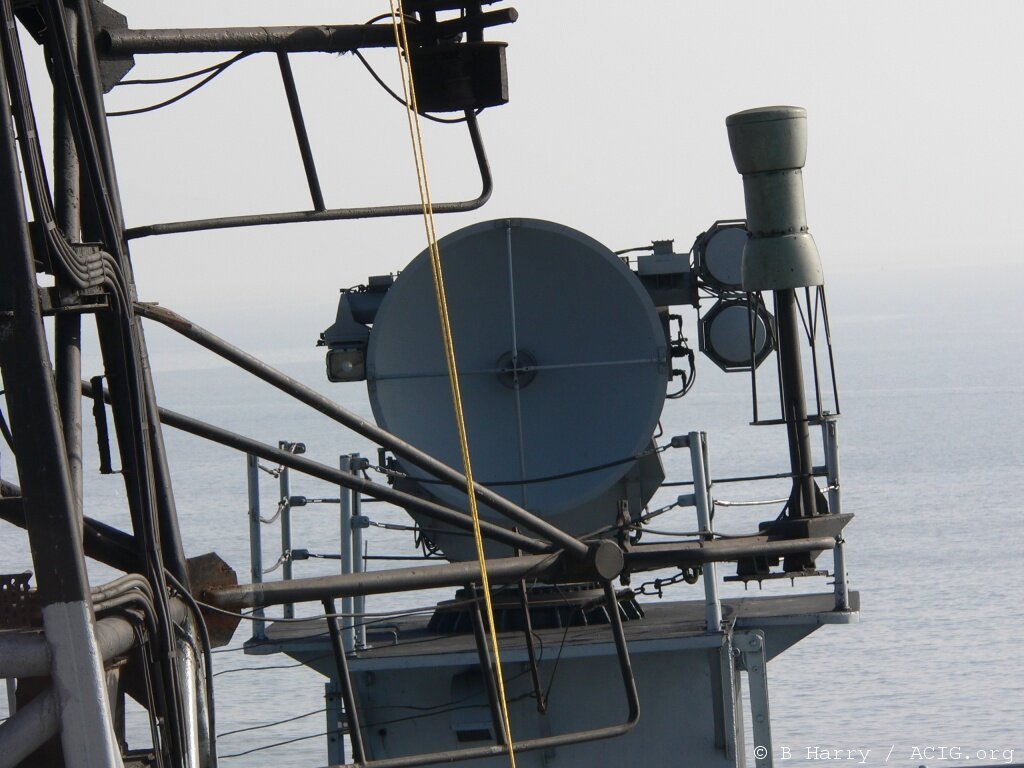
EL/M-2221 STGR / FILE : 1024 x 768 / 241 KB |
||||||
|
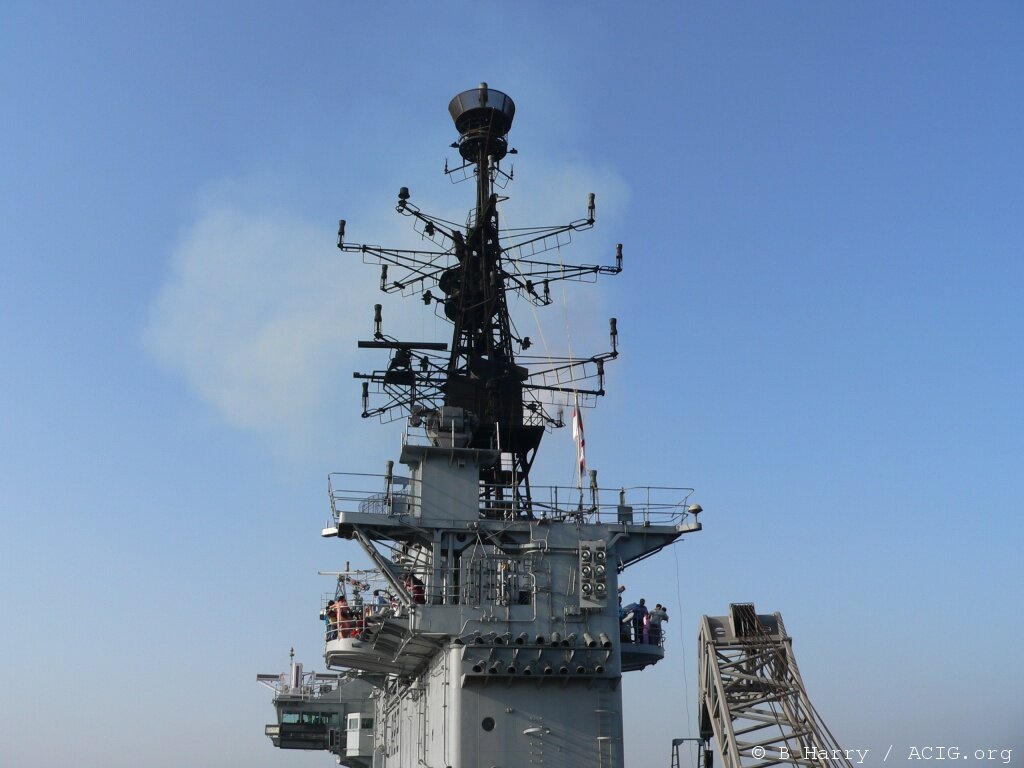
The refit saw some major upgrades to the Viraat. The first was the inclusion of the IAI/Rafael Barak missile defence system, as being standardised on all major warships of the Indian Navy. While the carrier only has a 16-cell system compared to the 32-cell system on the Delhi (P-15) and Rajput class destroyers, or the 24-cell system on the Godavari (P-16) and Brahmaputra (P-16A) class Frigates, the system onboard the carrier is the only one that can be reloaded during operational deployment. For fire-control, the Elta EL/M-2221 Search, Track, Guidance/Gunnery Radar (STGR) has been installed on the aft portion of the tower. The Barak operator console is located in the ops room. In the final series of tests, all ships test launched their Baraks against every type of AsHM in Indian Navy inventory and scored 100% hits. The two AK-230 twin-30 mm and two Bofors 40 mm , have been retained. Fire control for the mentioned is also provided by the EL/M-2221. Another new sensor is the Elta STAR radar (not seen) which replaces the Thales/BEL DA-05E RAWS for air and surface search, and brings a significant increase in detection range. The compass and ops rooms now also boast of sensor fused wide-screen displays.
|
|||||||
|
|
|
|
|
||||
| EW, IFF and ESM antennae / FILE : 1024 x 768 / 186 KB |
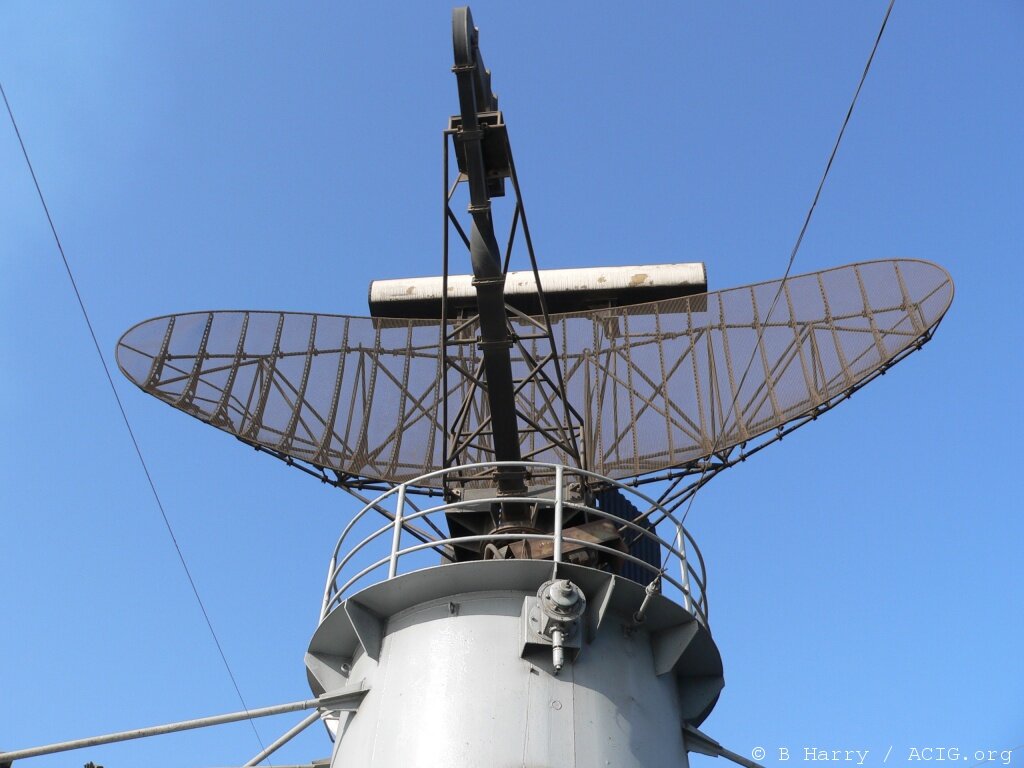
LW-08 and IFF antenna of RAWL / FILE : 1024 x 768 / 211 KB |
||||||
|
|
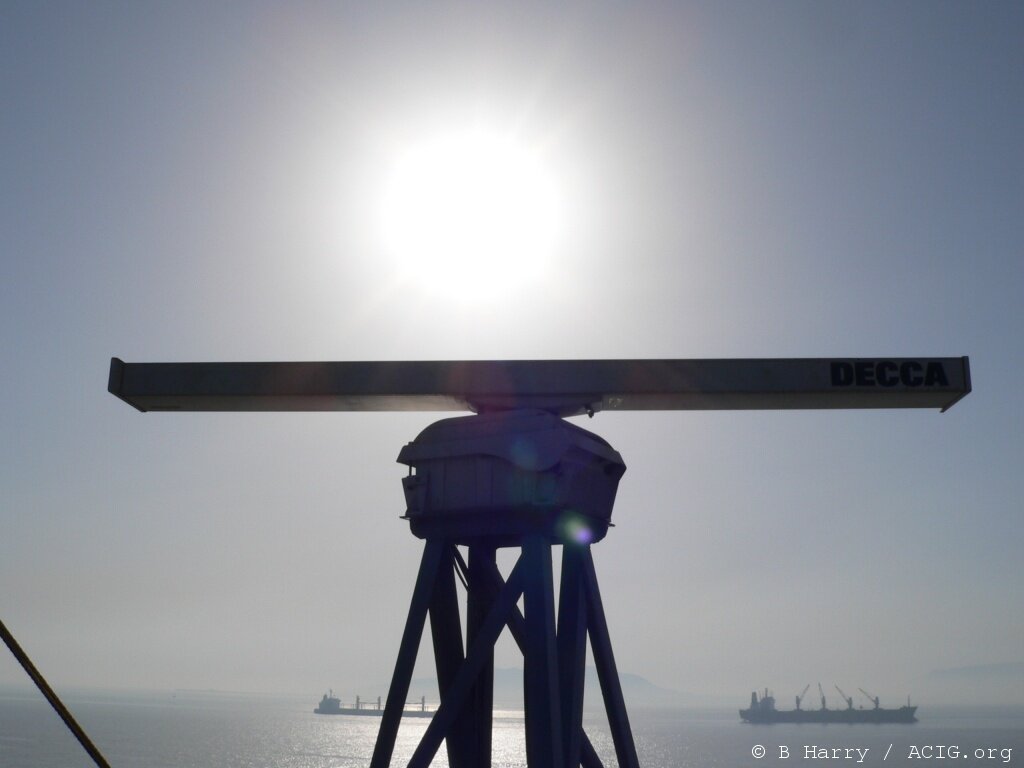
Most of the standard sensors including the Signaal/BEL RAWL 02, BEL Ajanta ESM/EW, have been retained. Until the STAR was installed, the ship did not have any height-finding capability. Any ship under refit does not make for a very pretty sight but post-refit, the Viraat is looking better than ever. Deployment of the Ka-31 radar picket helicopter from either the carrier or one of the escorts, facilities for very long range surveillance through datalinking. Although the Ka-31and Dhruv were onboard a few days ago, they will not be deployed to the carrier on this occasion. Finally, all BEL PIN-542 Rashmi navigation radars have been replaced by Racal Decca nav. radars, of which, at least three are installed.
|
|
|
||||
|
DECCA Secondary Nav. Radar / FILE : 1024 x 768 / 127 KB |
|||||||
|
|
|||||||
| 1.2 Inside the Hangar | |||||||
|
Today, we have onboard, three Westland Seaking Mk.42B helicopters, five BAe Sea Harrier FRS.51 fighters and two HAL Chetak (Alouette-III) helicopters. This is a low density configuration and these aircraft fit comfortably inside the hangar with ample space to move about. In a higher density configuration, several more aircraft could be easily accommodated. Theoretically, the rule of the thumb states "1 aircraft for every thousand tonnes", meaning a maximum overall capacity of 28-30 aircraft. Missing are the Kamov Ka-28, Dhruv and Ka-31. The Ka-25s, currently a part of the Eastern fleet, normally operate from land or the Rajput class destroyers and are rarely deployed from the carrier.
|
|||||||
|
|
|
|
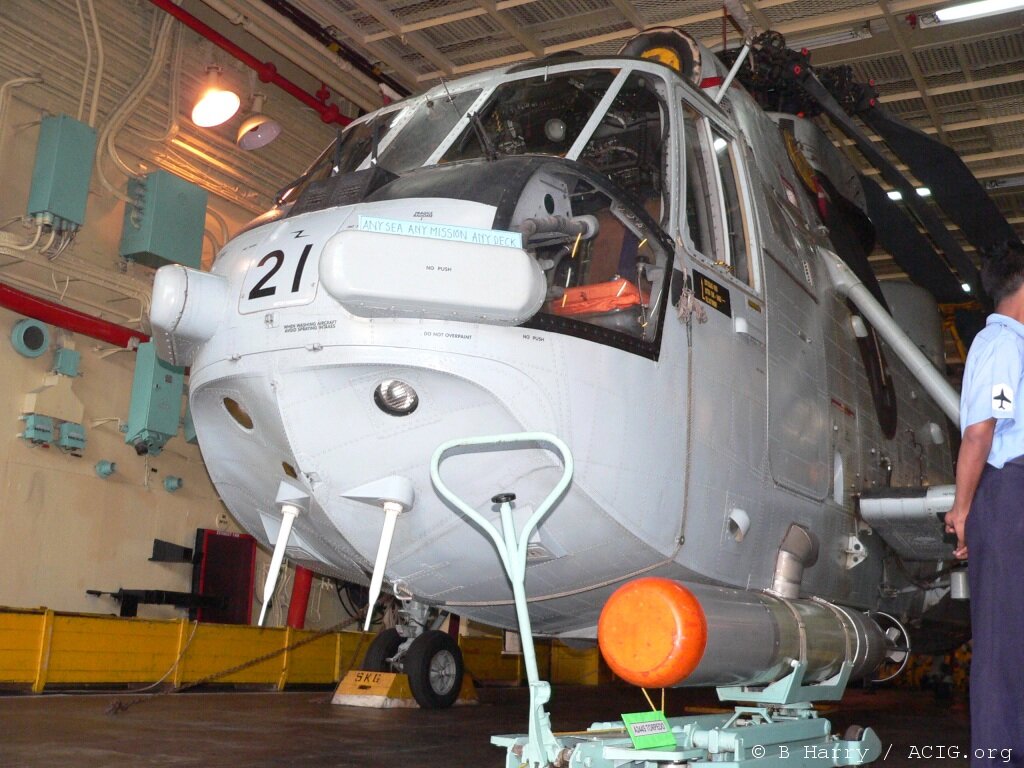
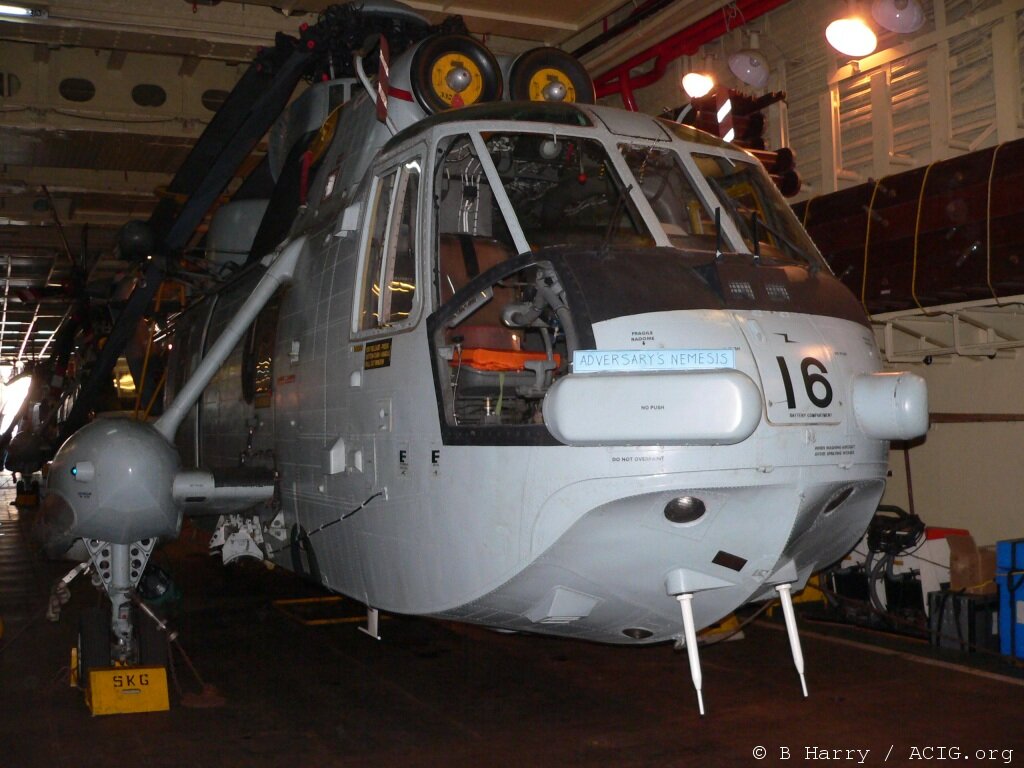
Seaking IN-521 with the Whitehead A244S ASW torpedo. The placard reads 'Any sea. Any mission. Any deck'. No exaggeration. While their retirement has been rumored for a while, these highly capable multirole choppers, deeply loved by the IN, will not be retiring for a long time yet. |
||||
| 1.2.1 FILE : 1024 x 768 / 293 KB | |||||||
|
|
|
|
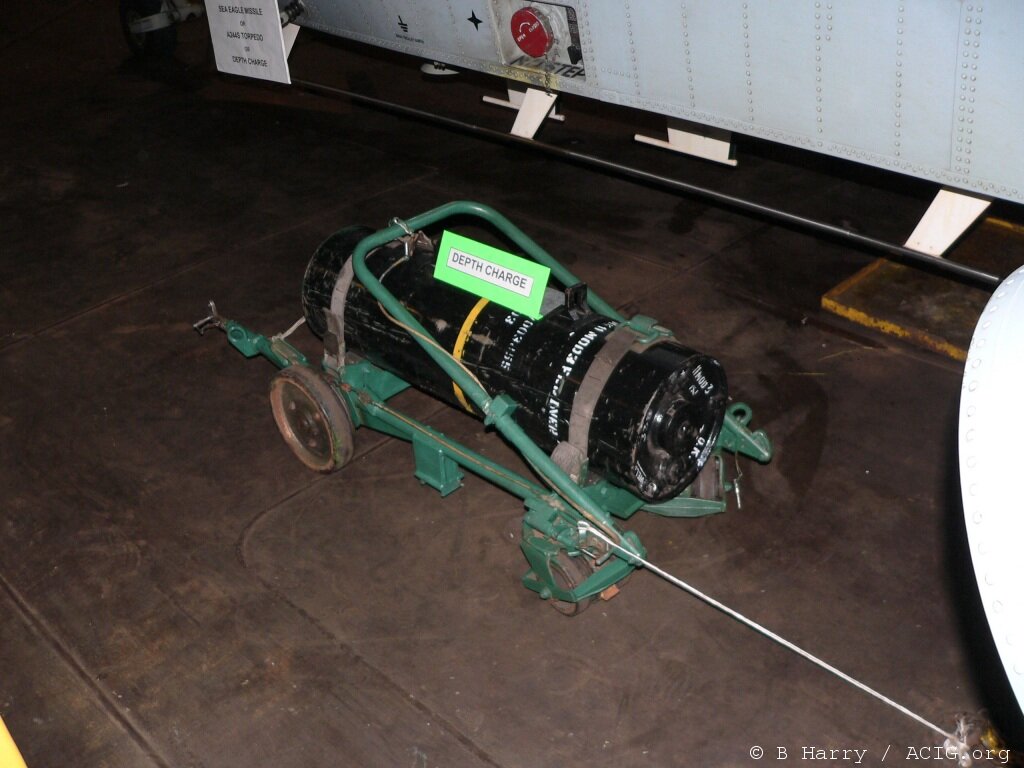
Unidentified Depth Charge which can also be carried by the MATCH Chetak. |
||||
| 1.2.2 FILE : 1024 x 768 / 207 KB | |||||||
|
|
|
|
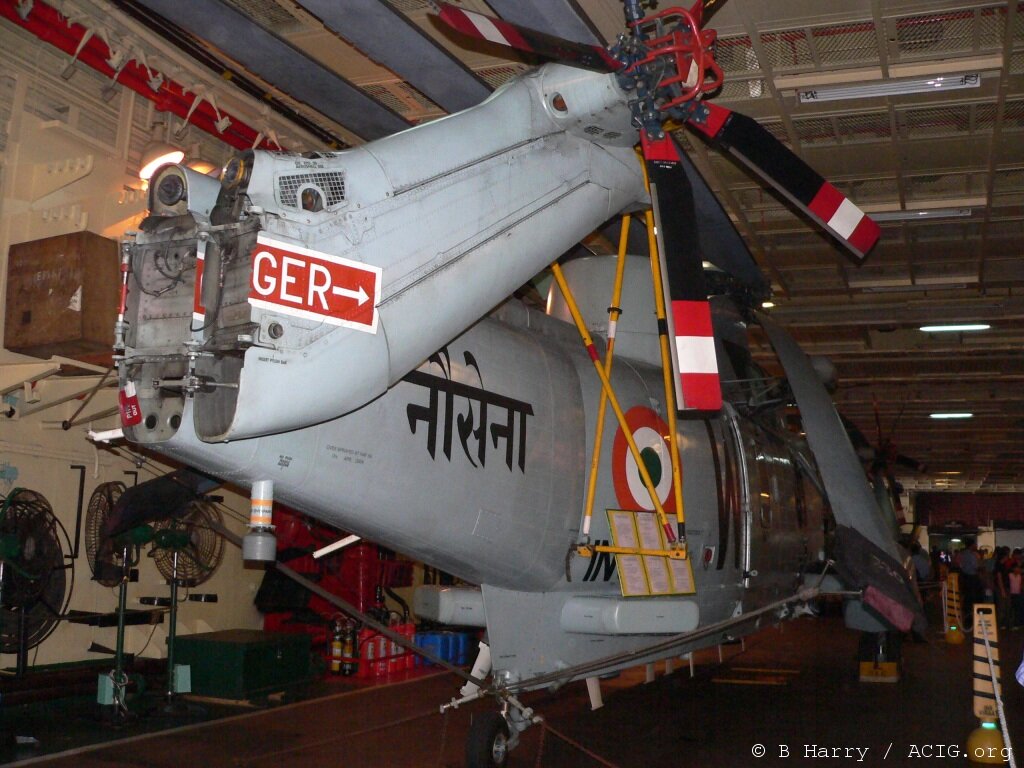
IN-516 is the second of the three Seakings onboard. | ||||
| 1.2.3 FILE : 1024 x 768 / 236 KB | |||||||
|
|
|
|
The tail and main rotor blades are folded and secured for stowage. |
||||
| FILE : 1024 x 768 / 282 KB | |||||||
|
|
|
|
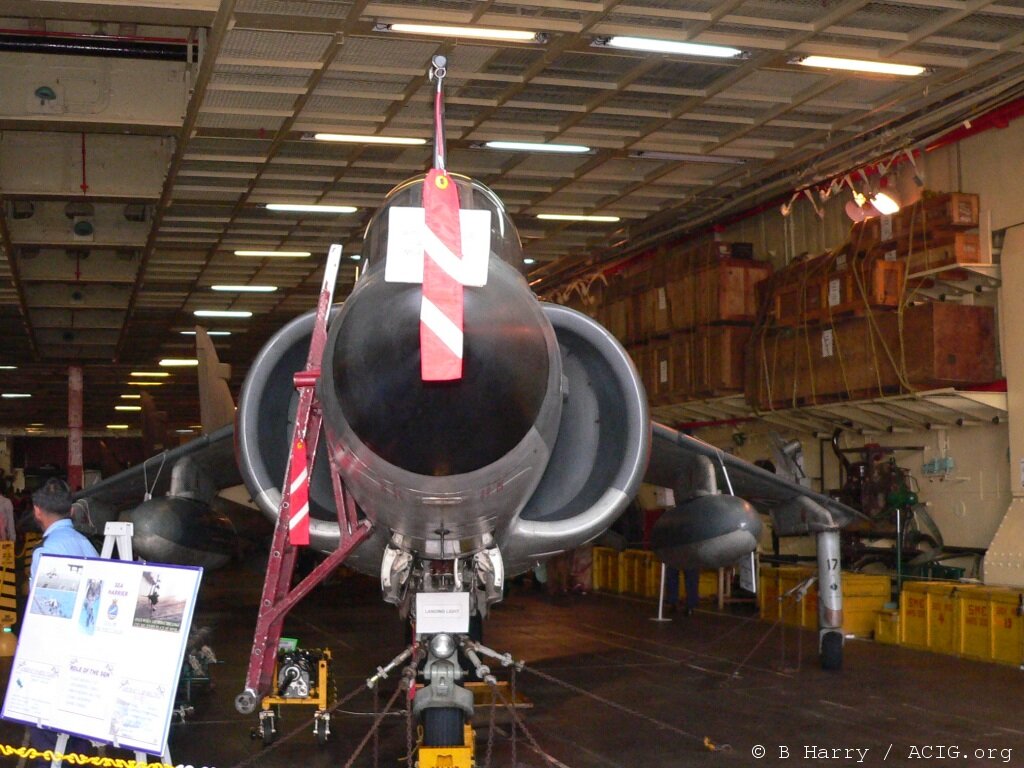
You've seen 'Simba' and 'Cougar'. Now meet IN-613 'Lion'. Another noted name is IN-6xx 'Puma'. Simba, Cougar, Lion and Puma have been deputed to the second Harrier squadron, INAS-551B 'The Braves', from INAS-300 'The White Tigers' |
||||
| FILE : 1024 x 768 / 285 KB | |||||||
|
|
|
|
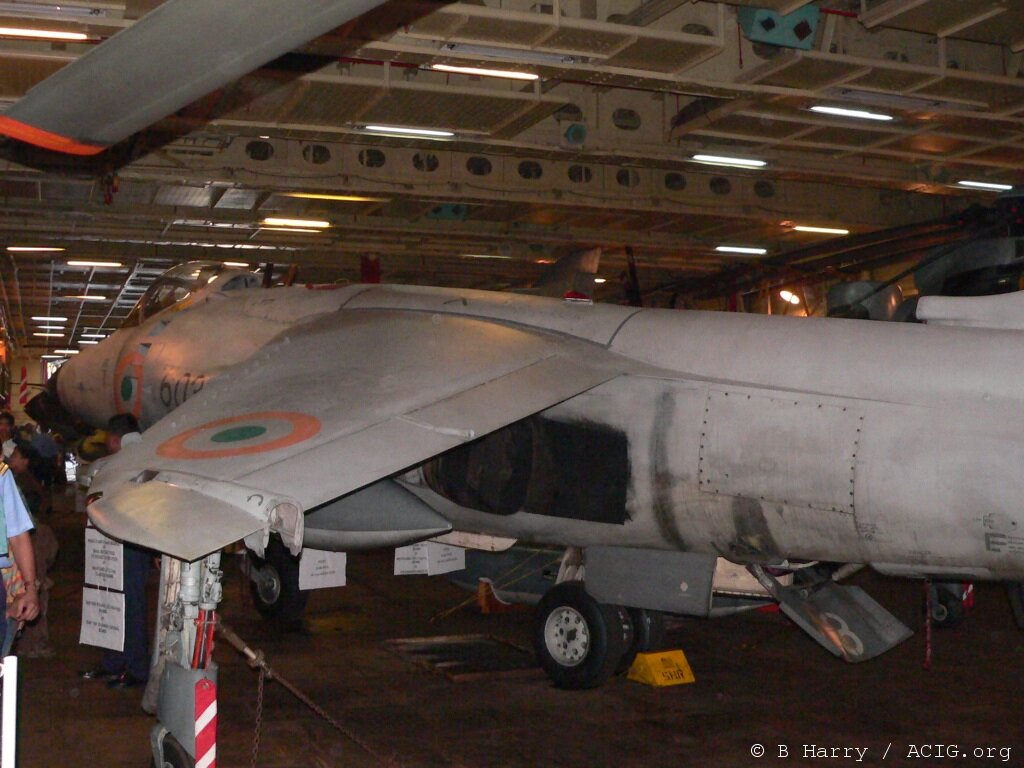
IN-603 - an almost 'White' White Tiger! Although it appears as though the paint has been scraped off the airframe, this smut covered light ghost gray shade on this highly flogged airframe, actually represents the new paintscheme, introduced in October 2004. Why? Because it is extremely effective in aircombat. |
||||
| FILE : 1024 x 768 / 243 KB | |||||||
|
|
|
|
IN-608 'Cougar' which was present at Aero India 2005, is surprisingly onboard today as well. |
||||
| FILE : 1024 x 768 / 295 KB | |||||||
|
|
|
|
Live BAe Sea Eagle AshM round for drill. The missile is large and significantly increases the coefficient of drag of the Sea harrier, when carried. In absolute terms, the Viraat carries more weaponload than the entire western fleet put together. |
||||
| FILE : 1024 x 768 / 230 KB |
|
||||||
|
|
|
|
Inert Matra Magic-2 training round. The DRDO developed double-rail for the this weapon isn't often carried during training. |
||||
| FILE : 1024 x 768 / 225 KB |
|
||||||
|
|
|
|
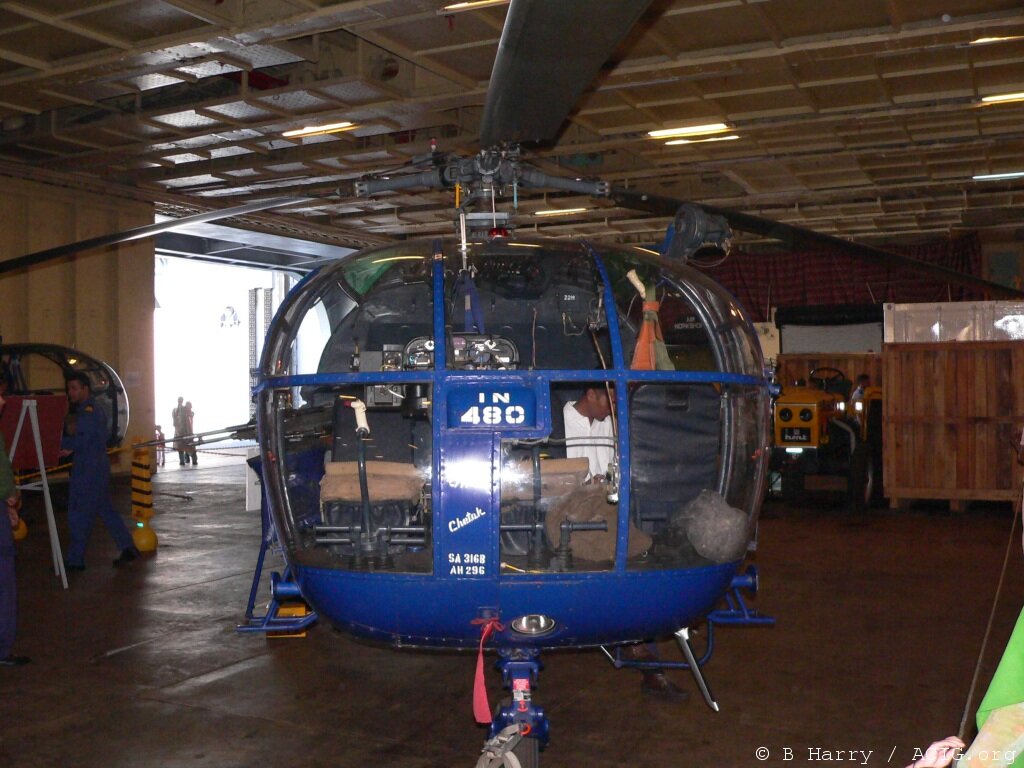
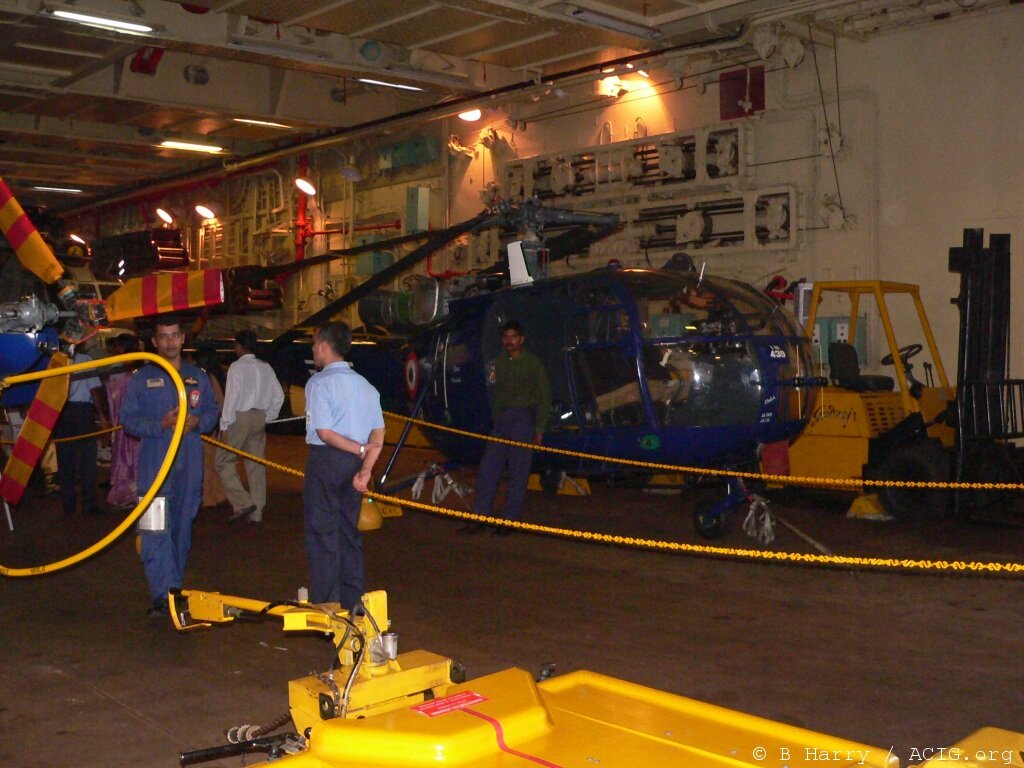
Chetak IN-480 from the INAS-321 'Angels' squadron. The primary role of this helicopter is Search and Rescue but also perform other roles including ASW, transport and more recently, Electronic Intelligence. When the term 'Search and Rescue' was used, a pilot from INAS , gave a Harrier pilot an evil look. |
||||
| FILE : 1024 x 768 / 261 KB |
|
||||||
|
|
|
|
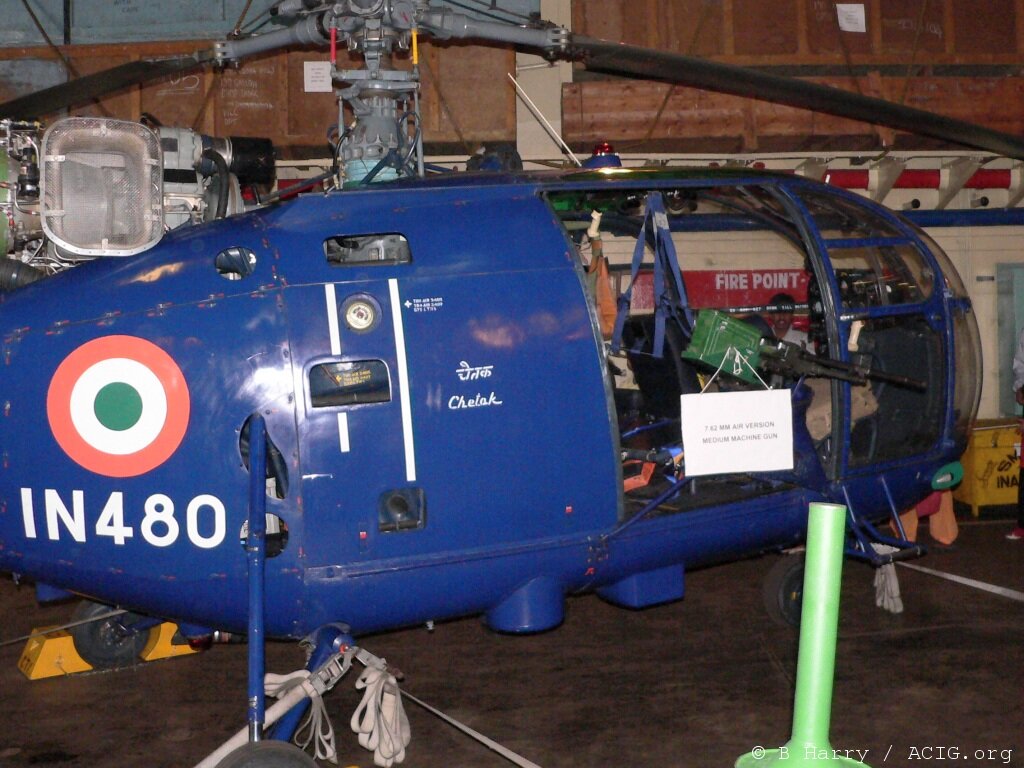
First ever sight of a Chetak equipped with a 7.62 mm Medium Machine Gun. | ||||
| FILE : 1024 x 768 / 284 KB |
|
||||||
|
|
|
|
Chetak IN-439 has a UHF homer, identified by the YaG antennae installed on the nose. These helicopters are now being used for Elint/ESM as well. |
||||
| FILE : 1024 x 768 / 274 KB | |||||||
|
|
|
|
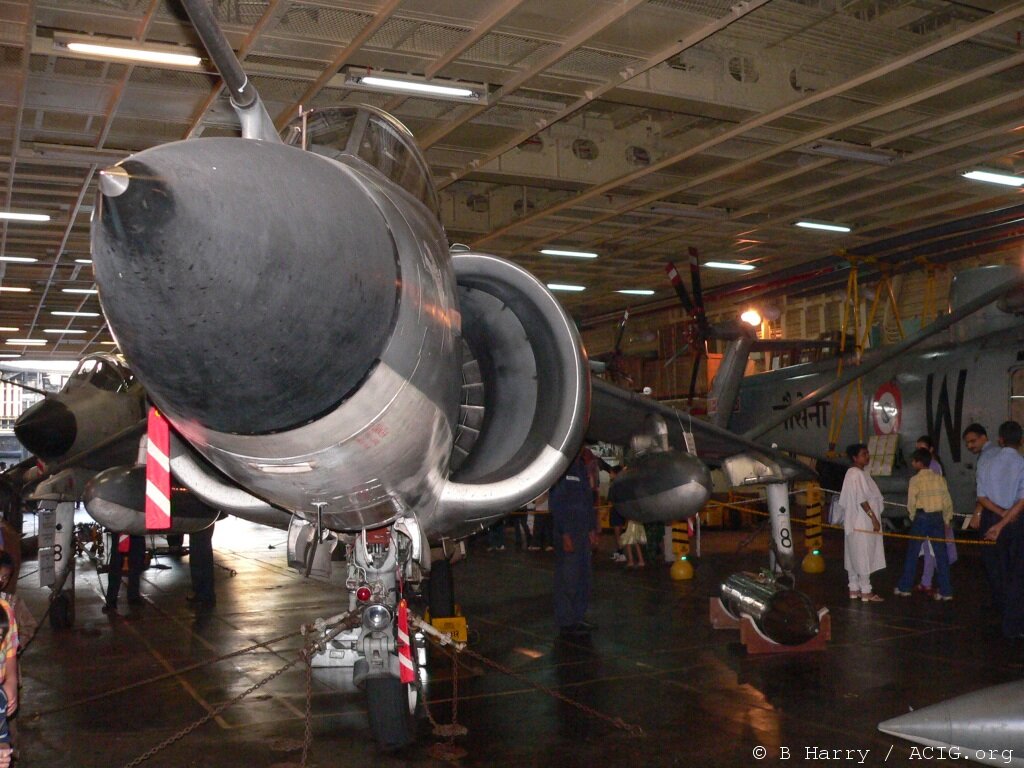
IN-614 is second of the two Harriers with the new camouflage scheme. The ghost-gray Harriers haven't been assigned any cat names, despite operating directly from INAS 300. Excluding the roundels, all other markings are in dark ghost gray. |
||||
| FILE : 1024 x 768 / 252 KB | |||||||
|
|
|||||||
| 1.3 Roshini Upgrade | |||||||
|
|
|||||||
|
|
|
|
|
||||
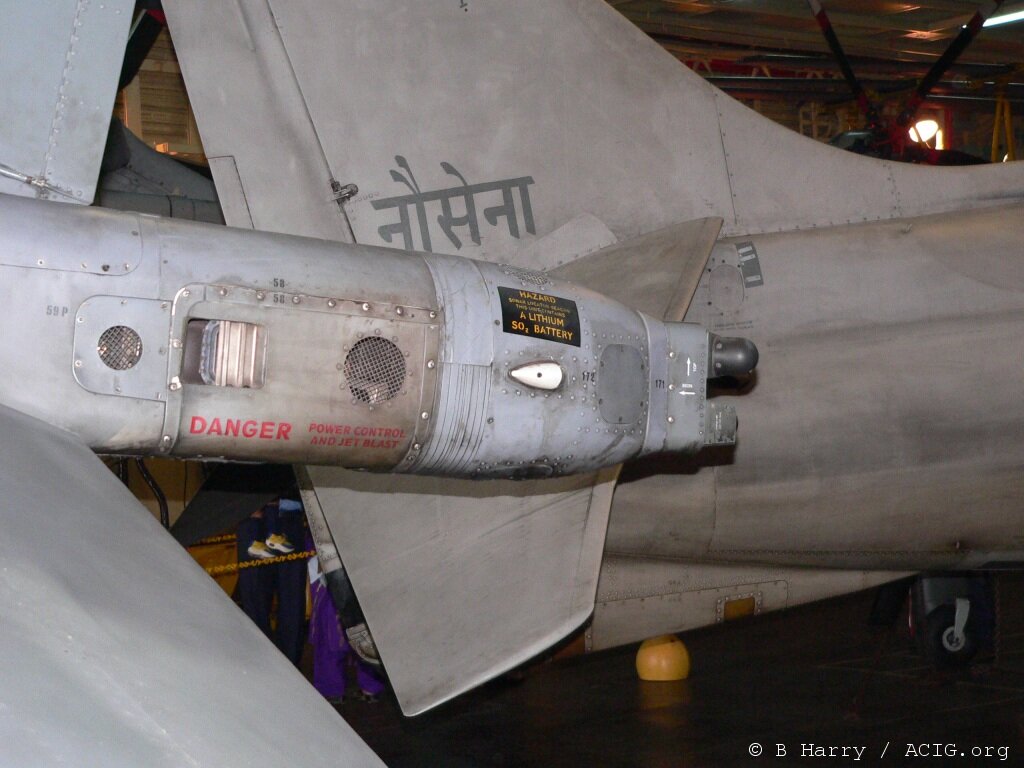
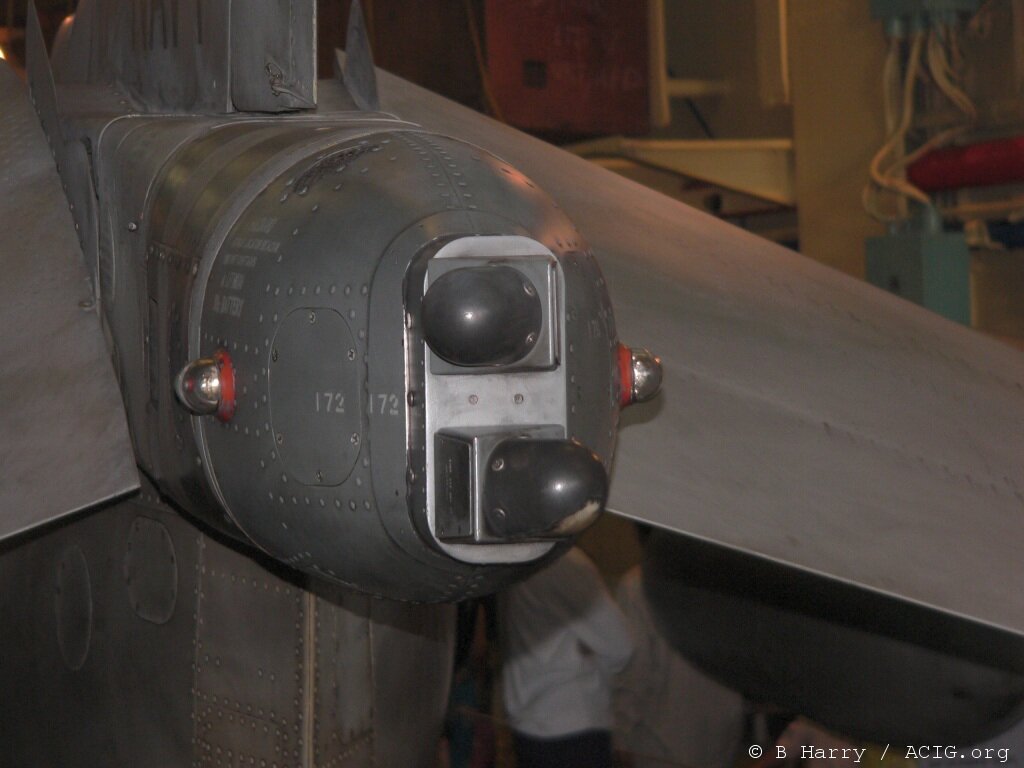
| Cavity backed Spiral antennae on IN-614 / FILE : 1024 x 768 / 215 kB |
Cavity backed Spiral antennae on IN-617 / FILE : 1024 x 768 / 164 KB |
||||||
|
|
|||||||
|
|
|||||||